
05Why sodium-ion
The chemistry that fitsIndia's climate,grid and ambitions.
India needs hundreds of gigawatt-hours of storage and millions of electric vehicles, and today most of the cells come from abroad. Sodium-ion lets India build its own.
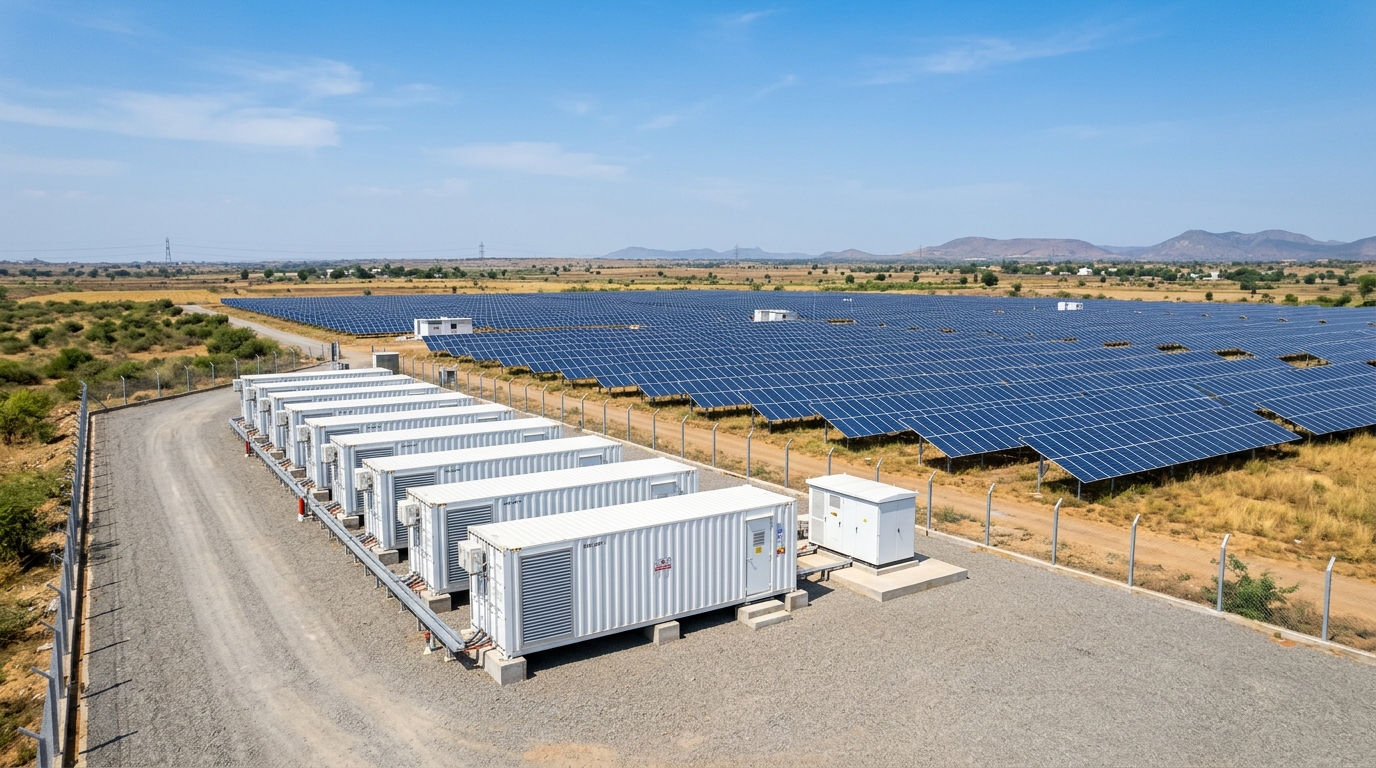
Built for -20 °C to 60 °C Indian field conditions
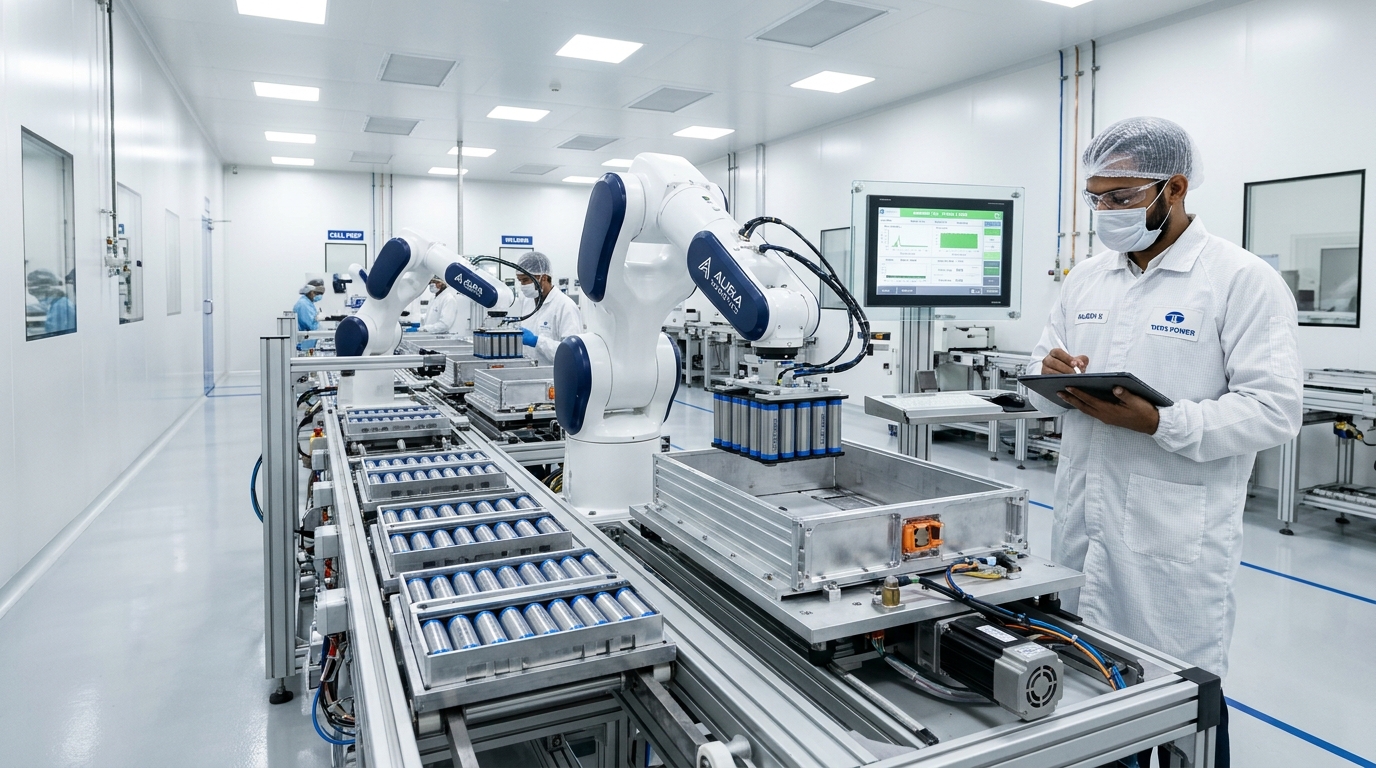
A domestic supply chain with no lithium or cobalt
ASide by side
| Sodium-ion (Nattery) | Lithium-ion | |
|---|---|---|
| Key materials | Sodium, abundant and cheap; no lithium or cobalt | Lithium and often cobalt, mostly imported |
| Operating temperature | -20 °C to 60 °C | Narrower range; needs more thermal control |
| Thermal safety | Stable cathode; lower fire risk by design | Higher thermal-runaway risk in some chemistries |
| Energy density | About 20 to 25% lower | Higher |
| Best suited to | Grid storage, buses, trucks, swap packs, fleets | Space- and weight-critical products |
| Supply chain | Can be built in India | Largely import-dependent |
BFour reasons it matters
01
Self-reliance
A domestic supply chain with no dependence on any third country.
02
Heat and cold
Reliable from -20 °C to 60 °C, which covers Rajasthan summers and Himalayan winters.
03
Safety
A thermally stable cathode and pack-level protection reduce fire risk.
04
Long life
Built for repeated daily cycling in storage and fleet use.
Where lithium-ionis still the better choice.
For products where every kilogram counts, lithium-ion remains lighter. For storage, buses, trucks and fleets, where space and weight matter less, sodium-ion is the stronger fit.